
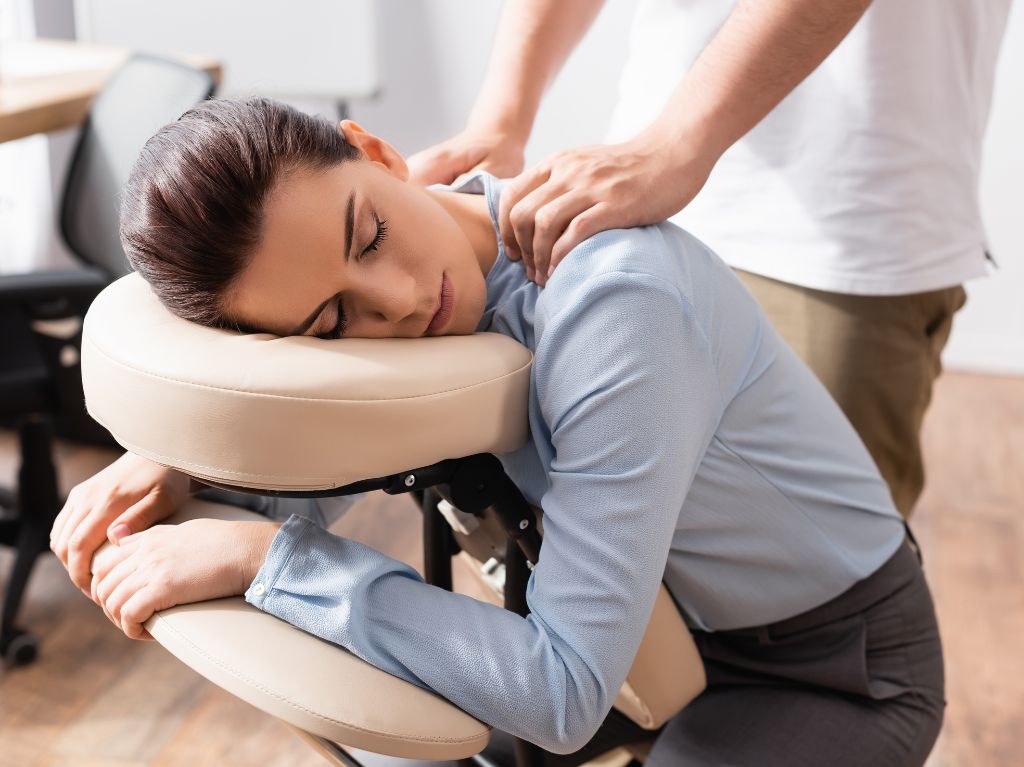
Toowoomba Massage for Office Workers: A Weekly Routine to Reduce Strain
Office-based work has become a normal part of life for many Australians, but the physical impact of sitting for long hours is often underestimated. While office work is not physically demanding in the traditional sense, it can still place consistent strain on the neck, shoulders, lower back, and wrists.
For many professionals, building a structured recovery routine that includes Toowoomba massage may help support long-term comfort, reduce stiffness, and improve day-to-day function. When paired with movement habits and ergonomic improvements, it becomes a practical way to manage the physical demands of desk-based work.
At Be Well Chiropractic, care is focused on supporting musculoskeletal health through individualised, hands-on approaches and movement guidance designed to suit everyday lifestyles, including office workers.
Why Office Work Creates Hidden Physical Strain
Most office workers spend between 6 to 10 hours a day sitting, often with minimal posture variation. Over time, this may contribute to muscle fatigue and joint stiffness in predictable patterns.
Common issues include:
- Tightness in the upper trapezius (shoulder region).
- Neck stiffness from forward head posture.
- Lower back discomfort from prolonged sitting.
- Reduced hip mobility from inactivity.
- Wrist and forearm tension from repetitive typing.
These patterns often build gradually, meaning they are not immediately noticeable until discomfort becomes more consistent.
A structured routine that includes movement, posture awareness, and Toowoomba massage may help manage these ongoing stress patterns.
Common Pain Patterns Seen in Office Workers
Office-related strain often follows predictable mechanical patterns:
1. “Tech Neck”
Forward head posture while using screens may place additional load on the cervical spine, contributing to stiffness and tension headaches.
2. Rounded Shoulders
Long hours at a desk may shorten chest muscles and weaken upper back muscles, leading to postural imbalance.
3. Lower Back Compression
Sitting for extended periods may reduce spinal movement, which can lead to stiffness and discomfort in the lumbar region.
4. Forearm and Wrist Overuse
Repetitive keyboard and mouse use may contribute to strain in the forearm muscles.
A consistent Toowoomba massage routine may help reduce muscle tightness associated with these patterns when combined with ergonomic correction and movement.
How Toowoomba Massage May Support Office Workers
Massage therapy is widely used to help relax soft tissue, improve circulation, and support relaxation. For office workers, it may be especially helpful in addressing postural strain from static positions.
A regular Toowoomba massage schedule may support:
- Reduction in muscle tightness around the neck and shoulders.
- Improved perception of mobility in stiff areas.
- Relaxation of overworked postural muscles.
- General stress reduction after long workdays.
Research and clinical insights suggest that massage therapy may assist in reducing muscular discomfort and improving relaxation when included as part of a broader care approach. However, outcomes vary between individuals.
Building a Weekly Routine That Actually Works
Consistency is more important than intensity when managing office-related strain. Rather than waiting for discomfort to build up, a proactive weekly routine may help maintain better physical balance.
Suggested Weekly Structure
Daily habits (5–10 minutes total spread across the day):
- Stand and move every 45–60 minutes.
- Gentle neck and shoulder rolls.
- Short walking breaks.
Mid-week reset:
- Light stretching or mobility work.
- Focus on chest opening and spinal rotation.
Weekly recovery session:
A dedicated Toowoomba massage session may help release accumulated tension from repetitive work posture and support relaxation of tight muscle groups.
Weekend recovery:
- Light recreational movement (walking, swimming, yoga)
- Reduced screen exposure where possible
5-Minute Desk Reset Routine
Small movement breaks can significantly reduce the load of prolonged sitting. This simple routine can be done at your desk:
- Shoulder rolls (30 seconds forward and backward).
- Neck side stretches (20–30 seconds each side).
- Seated spinal twists (30 seconds each side).
- Chest opener stretch (30 seconds).
- Wrist flexor and extensor stretch (1 minute total).
When done consistently, this type of routine may help reduce stiffness between Toowoomba massage sessions and support better posture awareness during the workday.
What Happens During a Massage Session
A typical session is tailored to individual needs based on work habits, posture, and areas of discomfort.
At Be Well Chiropractic, a Toowoomba massage appointment may include:
- Assessment of tight or overworked muscle groups.
- Deep tissue techniques for chronic tension areas.
- Gentle relaxation-based techniques for stress reduction.
- Focused work on neck, shoulders, and lower back.
Each session is adjusted to the client’s comfort level and physical condition, ensuring care remains appropriate and individualised.
How Often Should Office Workers Get Massage?
There is no universal schedule, as needs vary depending on workload, posture, stress levels, and physical condition.
However, many office workers choose:
- Weekly sessions for ongoing tension management.
- Fortnightly sessions for maintenance.
- Monthly sessions for general wellbeing support.
A regular Toowoomba massage schedule may help reduce the buildup of muscular tension over time, especially when combined with ergonomic improvements and daily movement habits.
Integrating Massage with Chiropractic Care
Massage therapy is often combined with chiropractic care to support a more complete approach to musculoskeletal health.
At Be Well Chiropractic, this combined approach may support:
- Improved joint mobility.
- Reduced muscle tension contributing to stiffness.
- Better postural awareness.
- Enhanced recovery from repetitive strain.
While individual results vary, combining chiropractic care with Toowoomba massage may support improved comfort and movement for some office workers.
Simple Ergonomic Improvements That Make a Difference
Workstation setup plays a major role in how the body feels throughout the day.
Key adjustments include:
- Keeping screens at eye level.
- Supporting the lower back with proper chair positioning.
- Keeping feet flat on the floor.
- Positioning keyboard and mouse close to the body.
- Avoiding prolonged forward head posture.
These small adjustments, when combined with regular movement and Toowoomba massage, may help reduce cumulative strain.
When to Seek Professional Support
While mild stiffness is common, persistent discomfort should not be ignored. Office workers may benefit from professional assessment if they experience:
- Ongoing neck or back pain.
- Frequent tension headaches.
- Reduced range of motion.
- Tingling or radiating discomfort in arms or legs.
Early attention may help prevent symptoms from becoming more persistent or limiting.
Supporting Long-Term Workplace Wellbeing
Workplace strain is often cumulative rather than sudden, which is why proactive care strategies are important. A structured routine that includes movement, ergonomic awareness, and regular Toowoomba massage may help support long-term comfort and resilience in office workers.
Rather than relying on short-term relief, the goal is to build sustainable habits that support how the body functions throughout the working week.
Final Thoughts
Office work does not have to mean ongoing discomfort. With consistent habits, thoughtful workstation setup, and supportive care strategies, many people may experience improved comfort and reduced physical strain.
A weekly Toowoomba massage routine can be a practical part of this approach, helping to release built-up tension and support recovery from repetitive desk work.
For those in Toowoomba looking for a structured and supportive approach to musculoskeletal wellbeing, integrating massage into a broader care plan at Be Well Chiropractic may be a valuable step toward better daily function and comfort.
Follow us on our social media pages: Facebook & Instagram.