
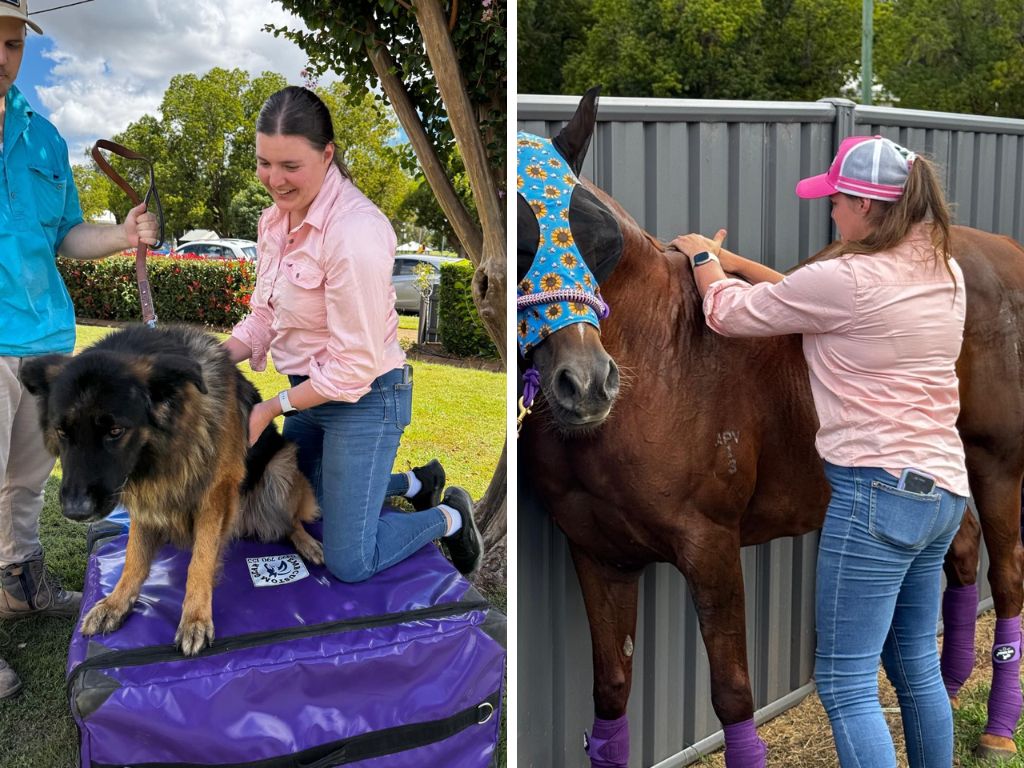
Hip Dysplasia Relief: How an Animal Chiropractor Helps Dogs and Horses Recover
If your dog or horse is struggling with stiffness, lameness, or reduced mobility, you may be wondering if there’s a gentle, non‑invasive way to support their recovery. In recent years, animal chiropractor care has emerged as a popular, evidence‑informed option for pets suffering from conditions like hip dysplasia, especially in Australia, where pet owners increasingly seek holistic, drug‑free therapies.
At Be Well Chiropractic, our animal‑focused practice helps dogs and horses regain comfort, stability, and movement by addressing underlying spinal and joint restrictions. This blog explains how an animal chiropractor can ease hip‑dysplasia‑related pain, improve function, and support long‑term recovery for your four‑legged family member.
What Is Hip Dysplasia in Dogs and Horses?
Hip dysplasia is a developmental or degenerative condition in which the ball and socket of the hip joint do not fit together smoothly. In dogs, this commonly affects large and giant breeds, leading to pain, lameness, muscle loss, and arthritis over time. In horses, similar hip or pelvic imbalances can contribute to gait irregularities, stiffness, and reluctance to perform at their usual level.
Rather than being a single “injury,” hip dysplasia is often part of a broader pattern of musculoskeletal strain. Compensatory changes in the spine, pelvis, and surrounding soft tissues can worsen pain and limit mobility ‑‑ which is where an animal chiropractor can play a key therapeutic role.
How Does an Animal Chiropractor Help?
An animal chiropractor, like the practitioners at Be Well Chiropractic, focuses on the alignment and neurological function of a pet’s spine and joints. Using gentle, low‑force adjustments, we aim to correct subtle misalignments (often called subluxations) that may be contributing to nerve irritation, muscle tension, and restricted movement around the hips and pelvis.
Unlike more invasive treatments, animal chiropractic is non‑surgical and typically drug‑free. It does not replace veterinary care but instead complements it, working alongside medications, physiotherapy, weight management, and other therapies recommended by your vet. By integrating chiropractic care into your animal’s overall treatment plan, many owners report improved comfort, more even gaits, and a greater willingness to move and perform.
The Role of the Spine and Nervous System
The spine protects the spinal cord and houses the nerve pathways that control limbs, muscles, and joints. When the spine is misaligned or restricted, nerve signals to the hips and legs can be disrupted, leading to muscle weakness, stiffness, and abnormal movement patterns. An animal chiropractor gently restores proper joint mechanics, which can help nerve function and reduce compensatory strain on the hips and thighs.
At Be Well Chiropractic, we assess not only the area of obvious limp or discomfort but also the entire spine and pelvis. This whole‑body approach helps identify hidden areas of tension that may be taking the load when the hip is injured. Correcting these imbalances can dramatically reduce the workload on the affected joint and improve recovery.
Signs Your Dog or Horse May Need an Animal Chiropractor
Common signs that your pet may benefit from seeing an animal chiropractor include:
- Reluctance to jump, climb, or exercise as usual.
- Limping or a “bunny hopping” gait in dogs.
- Stiffness after resting or in cold weather.
- Reluctance to bend, turn, or engage properly in performance horses.
- Hunching, arching, or “pot‑gutted” posture.
- Changes in temperament (becoming grumpy or withdrawn).
If your dog or horse has been diagnosed with hip dysplasia or you suspect it may be contributing to their discomfort, early chiropractic intervention can help maintain mobility and delay the progression of secondary changes such as muscle atrophy and arthritis.
How Be Well Chiropractic Approaches Animal Chiro
At Be Well Chiropractic, animal chiropractic is part of a broader wellness philosophy. We begin with a thorough initial assessment, discussing your pet’s history, current symptoms, and any veterinary diagnoses or imaging reports. For dogs, this may include observing walking, sitting, and interaction; for horses, it may involve watching the animal at rest, walking, and trotting.
Once we understand the big picture, we perform gentle, targeted adjustments using techniques adapted for animals. These are safe, low‑force, and designed to be as stress‑free as possible for your pet. After each visit, we also provide practical aftercare guidance, such as suggested activity levels, stretches, or modifications to handling and training, to help maintain your pet’s progress between sessions.
Benefits of Animal Chiropractic for Hip Dysplasia
When hip dysplasia is present, an animal chiropractor may help in several important ways:
- Improves mobility and flexibility: By restoring range of motion in the spine and pelvis, animals often find it easier to move without pain.
- Reduces pain and muscle tension: Gentle adjustments can ease tightness in surrounding muscles and soft tissues, taking pressure off the hip joint.
- Supports rehabilitation and performance: For sport or working dogs and horses, chiropractic care can help maintain optimal biomechanics during training and recovery.
- Promotes overall wellness: By supporting the nervous system, animal chiropractic helps your pet adapt to daily stresses, including the physical demands of living with a chronic condition.
In Australia, where outdoor activity and companionship with pets are central to many lifestyles, having a trusted animal chiropractor can make a real difference in how your dog or horse experiences everyday life.
Integrating Chiropractic Care with Veterinary Treatment
It’s important to emphasise that an animal chiropractor does not replace veterinary medicine. Instead, the two work best together. At Be Well Chiropractic, we encourage close communication between you, your vet, and our team. We review any existing diagnoses, X‑rays, or rehabilitation plans so that our care complements, rather than conflicts with, your pet’s current treatment.
For example, if your dog is on anti‑inflammatory medication or has undergone surgery, our chiropractic adjustments can focus on maintaining spinal alignment and reducing compensatory strain as your pet heals. For horses, this may mean working alongside hoof care, saddle fitting, and physiotherapy to ensure the whole body is functioning as efficiently as possible.
What to Expect During a Visit
If you’re considering chiropractic care for a dog or horse with hip dysplasia, here’s what you can typically expect at Be Well Chiropractic:
- Initial assessment: A detailed discussion of your animal’s history, symptoms, and lifestyle, followed by a physical examination and movement assessment.
- Gentle adjustments: Safe, targeted techniques tailored to your pet’s size, temperament, and condition.
- Collaborative plan: A clear explanation of how many visits may be helpful, how often, and what you can do at home to support recovery.
- Stress‑free environment: We prioritise a calm atmosphere so your pet feels as comfortable as possible throughout the visit.
Most owners are surprised by how calmly their animals respond to the process. Many dogs settle almost immediately, and horses often show visible relaxation in their posture and breathing after an adjustment.
Is Animal Chiropractic Right for Your Dog or Horse?
An animal chiropractor may be especially beneficial if your dog or horse:
- Has been diagnosed with hip dysplasia or suspected hip or pelvic issues.
- Shows stiffness, lameness, or changes in behavior.
- Is a performance or working animal needing to maintain peak biomechanics.
- Is recovering from injury or surgery and wants to support healing naturally.
Ultimately, the decision should be based on a partnership between you, your veterinarian, and an experienced animal chiropractor like those at Be Well Chiropractic. Together, you can create a plan that focuses on comfort, mobility, and quality of life.
Take the Next Step Toward Your Pet’s Wellbeing
If your dog or horse is struggling with hip dysplasia or any form of stiffness or lameness, an animal chiropractor can offer a gentle, holistic way to support recovery and improve daily comfort. At Be Well Chiropractic, we’re committed to evidence‑based, compassionate care that helps animals move, perform, and live better.
If you’re in Australia and would like to explore how animal chiropractic may help your dog or horse, consider booking an assessment with Be Well Chiropractic today. Taking that first step can open the door to improved mobility, reduced pain, and a happier life for your four‑legged companion.
Follow us through our social media pages: Facebook & Instagram.