
Toowoomba Massage vs Chiropractic Adjustment: Which One Do You Actually Need?
A stiff neck, a tight lower back or a nagging ache after a long week can leave you unsure where to start. Two of the most common options are massage and chiropractic care. They are often mentioned together, but they are different approaches with different goals. Understanding how each works may help you choose the one that suits your body, or decide whether a combination makes sense.
The Short Answer: Muscles or Joints?
Massage generally focuses on soft tissues such as muscles, tendons and fascia. Chiropractic adjustments focus on the joints and the way the spine and body move.
If your discomfort feels like muscle tightness or tension, massage may be a good starting point. If it feels like restricted or “stuck” movement in a joint, a chiropractic assessment may be more suitable. Many people have a mix of both, and results vary from person to person.
What Is Toowoomba Massage, and What May It Help With?
Toowoomba Massage is a hands-on therapy that uses pressure, stretching and movement techniques on the body’s soft tissues. Depending on the style used, it may help to:
- Ease muscle tension and tightness.
- Support relaxation and a sense of calm.
- Encourage circulation to the area being treated.
- Support recovery after physical activity or a physically demanding week.
Different styles suit different people. Some are gentle and calming, while others use firmer, more targeted pressure. At Be Well Chiropractic Toowoomba, our massage therapist Josh has four years of hands-on experience. He works with Chinese, Philippine, Japanese and Thai massage styles, as well as acupressure and cupping therapy. Each treatment is tailored to the individual, whether you are managing muscle tension, hoping to improve how your body feels day to day, or simply need time to unwind.
What Does a Chiropractic Adjustment Involve?
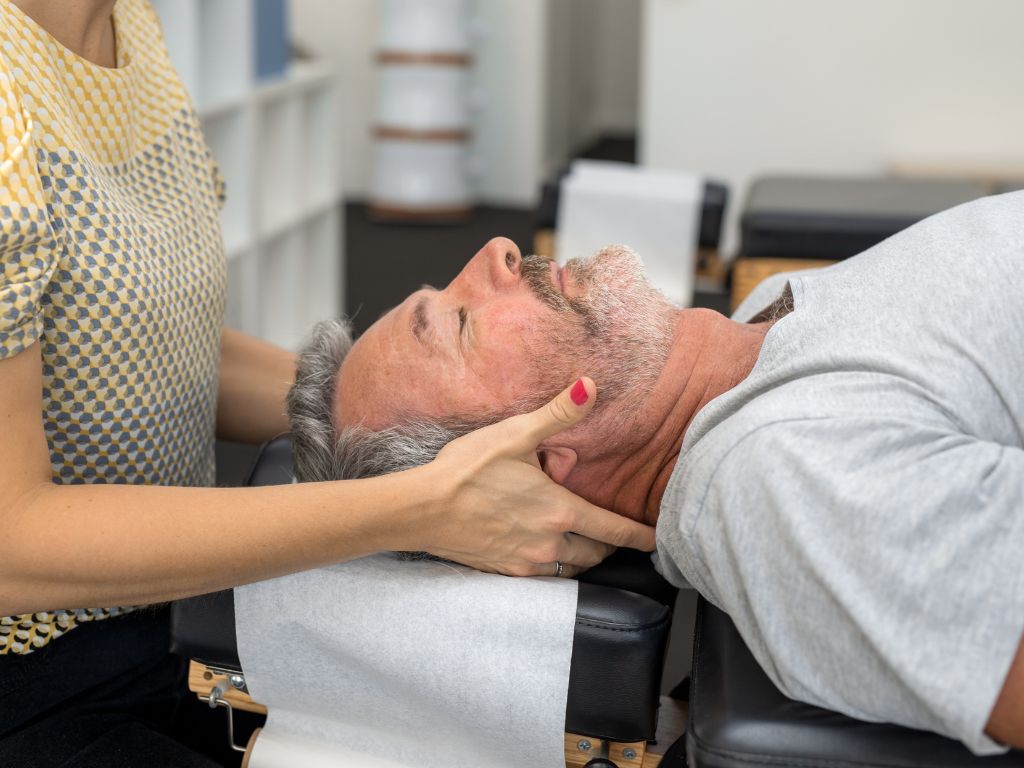
Chiropractic care starts with a thorough consultation. Your chiropractor asks about your health history and symptoms, then assesses your posture, movement and joint function before recommending an approach.
An adjustment is a controlled, hands-on technique applied to a joint. It may help to improve joint movement and ease discomfort in some people. Techniques vary, and can include manual adjusting, drop-piece adjusting, soft tissue release, dry needling and low-force techniques for people who prefer a gentler approach. Chiropractic care is sought by people across all life stages, from infants to older adults, and the technique is adapted to the person in front of the practitioner.
It is also worth knowing that a good chiropractic visit is not just the adjustment itself. Assessment, explanation and practical advice about movement and daily habits are usually part of the process.
Massage vs Chiropractic: Key Differences at a Glance
| Massage | Chiropractic Adjustment | |
| Main focus | Muscles and soft tissue | Joints and spinal movement |
| Typical feel | Relaxing, sustained pressure | Quick, targeted movement (or low-force options) |
| Often sought for | Tension, stress, muscle tightness | Joint stiffness, restricted movement, spinal discomfort |
| Starting point | Discussion of your goals and problem areas | Case history and physical assessment |
Which One Might You Need?
There is no single answer, but these general pointers may help.
Massage may suit you if:
- Your muscles feel tight, knotted or overworked.
- You are dealing with stress and would like to relax.
- You have been physically active and want to support your recovery.
- You prefer a calm, low-intensity treatment.
A chiropractic adjustment may suit you if:
- A joint feels stiff or restricted.
- Discomfort changes with certain movements or positions.
- You have ongoing neck, back or joint niggles.
- You would like a professional assessment of how your body is moving.
Because muscles and joints work together, tight muscles may contribute to joint stiffness, and the reverse can also be true. This overlap is why many people look at both approaches rather than treating them as an either/or choice.
Everyday Habits That May Affect Muscles and Joints
Across the Darling Downs, daily routines are often physically demanding or very sedentary. Some may spend long hours driving between properties or towns, working on farms, or lifting on job sites. Others sit at a desk for most of the day. Both extremes can place repeated load on the body.
Common contributors to muscle and joint discomfort may include:
- Prolonged sitting, which may lead to tightness through the hips, lower back and neck.
- Repetitive lifting or manual work, which may overload certain muscle groups.
- Long drives, which may keep the body in one position for extended periods.
- Limited movement breaks, which may leave the body feeling stiff by the end of the day.
Simple habits such as regular movement breaks, stretching and staying active may help support how your body feels. If discomfort persists, an assessment can help identify what may be contributing.
Can You Combine Massage and Chiropractic Care?
Often, yes. A coordinated plan may help address both the soft tissue and joint sides of a concern. This is one reason a multidisciplinary approach may be useful, as chiropractic, physiotherapy and Toowoomba Massage are available at Be Well Chiropractic Toowoomba.
Our physiotherapist, Leema Thomas, has 15 years of clinical experience across hospital and private practice settings. She uses an evidence-based, hands-on approach that includes manual therapy and taping, with a focus on movement, function and patient education. Our chiropractor, Madison Geri, works with people from infancy to older age and grew up in rural Queensland, so she understands the demands of country life. Having several disciplines in one place gives you options if your needs are broader than one type of treatment.
What Should You Expect at Your First Visit?
Knowing what to expect can make booking easier.
- A conversation. Your practitioner will ask about your symptoms, health history, lifestyle and goals.
- An assessment. For chiropractic and physiotherapy, this typically includes looking at posture, movement and joint function. For massage, your therapist will discuss problem areas and your preferred pressure.
- A tailored plan. Recommendations are based on your individual needs, not a one-size-fits-all approach.
- Guidance. You may be given practical advice on movement, stretches or daily habits to support your care.
You are welcome to ask questions at any point. If a practitioner believes another health professional would be more appropriate, they may refer you on.
When Should You Get Assessed First?
If you are unsure where to begin, a professional assessment is a sensible first step. It is especially worth booking if your discomfort:
- Has lasted more than a couple of weeks.
- Followed a fall, accident or injury.
- Is getting worse instead of better.
- Affects your sleep, work or daily activities.
Seek urgent medical attention for symptoms such as sudden severe pain, numbness or weakness, loss of bladder or bowel control, chest pain, or pain with fever. These are not situations for a massage or an adjustment.
Quick Answers to Common Questions
Is massage or a chiropractic adjustment better for back pain?
It depends on the cause. Massage may help with muscle tension, while a chiropractic assessment may identify joint-related contributors. An assessment can help clarify which is more suitable for you.
Can I have a massage and a chiropractic adjustment in the same week?
Many people do. Your practitioner can advise on timing based on your needs and how your body responds.
Is a chiropractic adjustment painful?
Experiences differ. Many people describe adjustments as comfortable, and low-force techniques are available if you prefer a gentler approach. Let your chiropractor know if you have any concerns.
Do I need a referral?
In most cases, no. You can book directly with a chiropractor, physiotherapist or massage therapist. If you plan to claim through private health insurance, check your policy for what your fund covers.
Final Thoughts
Massage and chiropractic care are different tools, and the right choice depends on your symptoms, goals and health history. Sometimes one is enough, and sometimes a combination may be more appropriate. The most helpful step is often a conversation with a qualified practitioner who can look at the whole picture.
If you would like help working out where to start, the team at Be Well Chiropractic is based at Shop 23, 121-129 Ruthven Street, Harlaxton, in the Northpoint Shopping Complex. You can book a chiropractic, physiotherapy or Toowoomba Massage appointment online, or call the clinic on (07) 4599 3004. Individual results vary, and all treatment should follow an assessment of your personal needs.