Spinal Decompression
Spinal Decompression Therapy
At some of our clinics we offer spinal decompression therapy as part of a conservative, non-surgical approach for patients experiencing back or neck pain, disc-related issues or nerve compression. Below is an overview of what it is, how it works, who may benefit, and what the current research shows.
What is spinal decompression therapy?
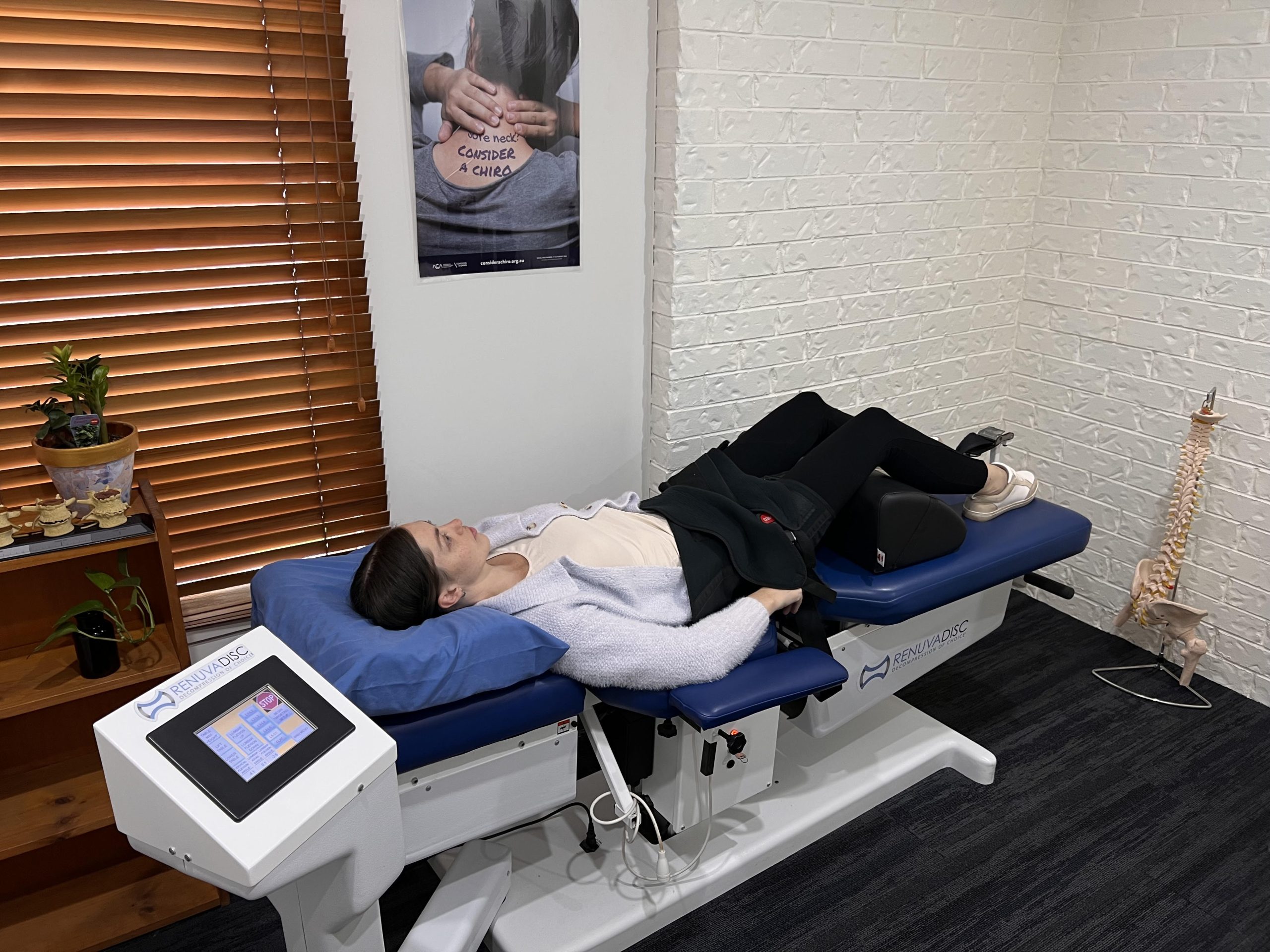
“Spinal decompression” in this context typically refers to a motorised, computer-controlled traction system that gently separates (distracts) the vertebrae, aiming to relieve pressure on the spinal discs and nerve roots. Some key features:
The patient lies fully-clothed on a specialised table, secured by pelvic and thoracic harnesses. WebMD+2Epainassist+2
The system applies intermittent (rather than constant) pulling force to specific spinal segments, with periods of rest, to create a “negative pressure” (or lower intradiscal pressure) environment. Epainassist+2WebMD+2
By reducing disc pressure, the bulging or herniated disc material can partially retract, nutrient exchange may improve, and nerve root irritation may be reduced. WebMD+1
How does it work in our clinic?
Assessment & imaging – We carry out a detailed assessment (including history, physical exam, and if required imaging) to identify the source of nerve or disc compression.
Treatment plan – If spinal decompression is deemed appropriate, we integrate it within a full care plan
Therapy sessions – Typical sessions last about 20-30 minutes. A course often involves around 12-24 visits over several weeks (depending on severity, goals and response). WebMD+1
Functional rehabilitation – Decompression is not just “lying on a table”; after relief of pain the emphasis shifts to restoring strength, movement control and long-term spine health.
Monitoring & outcomes – We track pain, function, movement, and, where applicable, nerve symptoms to evaluate progress and adjust the plan.
Who might be suitable?
Patients who may benefit include those with:
Lumbar or cervical disc bulge or herniation, with nerve-root irritation (e.g., sciatica, arm/leg pain)
Degenerative disc disease with disc height reduction and nerve/structure loading
Chronic back or neck pain which has not fully resolved with standard conservative care
Mild to moderate nerve compression, but who wish to avoid, delay or are not suited for surgery
What does the evidence say?
Positive findings:
A recent randomised controlled trial found that adding non-surgical spinal decompression (NSD) to routine physical therapy in patients with lumbar radiculopathy resulted in statistically significant improvements in pain (VAS), functional disability (Oswestry Disability Index), range of motion and muscle endurance versus physical therapy alone. BioMed Central
Case-series data report improvements in pain and disability scores and even increased disc-height and canal dimensions in selected patients treated with NSD. journal.parker.edu
What this means at Kingaroy Chiropractic & Wellness:
We use spinal decompression as one tool in a broader conservative spine-care strategy. We emphasise that while it may offer relief from discogenic/nerve-root conditions, it is most effective when combined with active rehabilitation, movement control and lifestyle factors. We also make sure to be transparent about realistic expectations (outcome, cost, time) so you can make an informed choice.
Why choose us at Kingaroy for spinal decompression?
Our clinic is equipped with the latest decompression traction technology and the staff are trained in its safe, effective application.
We integrate this therapy seamlessly with chiropractic adjustment, physiotherapy, exercise-based rehab and wellness support — giving you a comprehensive approach rather than a “stand-alone” machine.
The Kingaroy community-focused clinic means you’ll get genuine personalised care, local support and continuity of treatment (not just a ‘once-off’ gadget).
We emphasise education and patient empowerment — helping you move from passive therapy into active management of your spinal health.
Next step
If you’re experiencing persistent back or neck pain, nerve-root symptoms (arms/legs), or a diagnosed disc problem and want to explore whether spinal decompression may be appropriate for you, we invite you to book a detailed assessment. We’ll review your history, imaging (if available), discuss realistic goals, and advise whether this therapy is a suitable part of your care plan.